
Our Review Process
How We Check Slot Data Before We Publish It
We tell you what a studio has actually confirmed, and we tell you plainly when it hasn't confirmed anything at all.
Step by Step: How We Check a Game Before Publishing
Before we write a single word about a slot, we start at the source. That means going to the provider's own site first, not a database, not a review aggregator. If the studio publishes RTP, volatility, or max win on its own game page, that's what we use, and we say so.
When the provider's site gives nothing (no official page, no downloadable paytable, no press kit), we move to independent databases such as SlotCatalog and cross-check them against casino-side listings. We look for agreement between at least two independent sources before treating a number as reliable.
If two sources give the same figure, we publish it with a source note. If they disagree, or if one of them is clearly a placeholder value rather than a real stat, we don't average them or guess which one is right. We mark the field as unconfirmed instead.
We also check whether a title is being confused with a similarly named game from a different studio. Slot names get reused across providers more often than players expect, and mixing up specs between two different games under the same title is one of the most common research mistakes we try to avoid.
Only after this checking pass do we write the descriptive parts of a review: how the reels are laid out, what the bonus features do, whether a demo is available, and who the game is likely to suit. Those parts get tested by playing the demo directly, not by copying another site's description.
What We Do When Sources Disagree
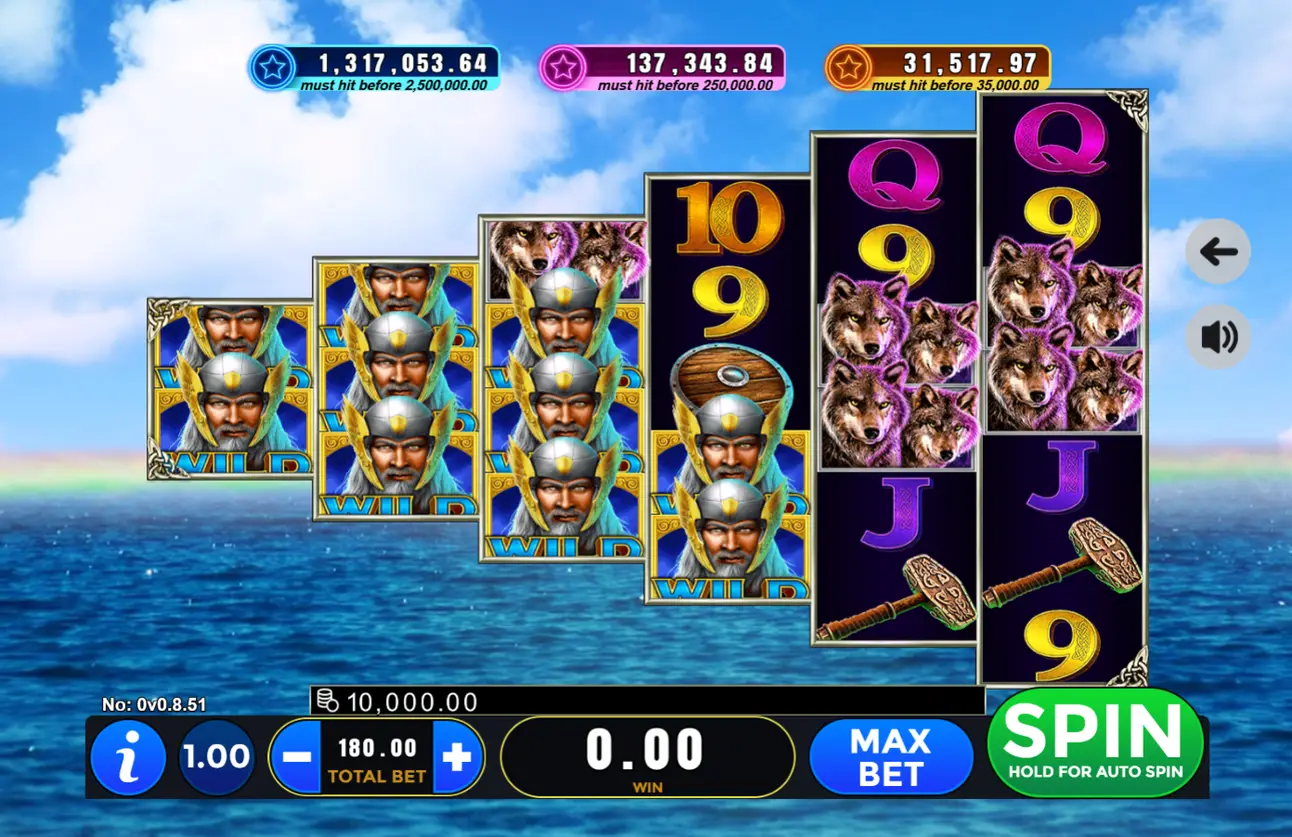
Asgard by GMW is a useful example of why this process matters. SlotCatalog lists it with a 90-betway, 2-3-4-5-6-7 reel layout, a progressive jackpot, and a gamble feature, but shows RTP as an unusable placeholder value. Separately, a couple of smaller portals quote a 96.5% RTP and call the game medium volatility, without pointing to any provider documentation to back that up. On top of that, the name "Asgard" is also used by RTG, Pragmatic Play, and an unrelated Megaways title from another studio entirely, each with its own distinct math model. Rather than pick whichever number sounds most plausible, we treat the RTP and hit frequency for this specific GMW release as unconfirmed, and we keep the specs on this site limited to what the layout, betway count, and feature list actually agree on across sources.
Why Some Numbers Stay Blank
Leaving a field blank isn't an oversight on our part. It's a decision, made because filling it in with a guess would mislead you more than an honest gap would.
A made-up RTP is worse than no RTP at all, because it gets treated as fact the moment it's printed. If you then check it against your casino's own information, or against a different review site, and the numbers don't line up, the mismatch reads as our error rather than as the industry's patchy documentation.
So our approach on pages like this one is simple: real figures where a provider or a matching set of independent sources confirms them, ranges where sources agree on a spread rather than one exact value, and a plain note where nothing reliable exists yet.
This doesn't change with how the game is played. Demo mode, real-money mode, mobile or desktop, the underlying math is the same, and so is our standard for reporting it.
One practical note for Canadian players: online slot content on this site is informational, and gambling remains 19+ nationally, with the minimum raised to 18+ in Alberta, Manitoba, and Quebec. Check your provincial rules and your casino's terms before playing for real money.